
Since the start of the conflict, violence has severely affected residents of Kupwara because of its proximity to the Pakistan border. The frequent exchange of fire between the two countries’ security forces has left many people of all ages—including children and women—disabled.
Hope Centre has been running its physical rehabilitation program in the Kupwara district for a long time. At present, we are implementing two donor-sponsored rehabilitation projects for people with disabilities.
The remoteness and border location of Kupwara mean its healthcare facilities lag behind Srinagar's in development. People often have to travel to Srinagar to receive specialised treatment. Through its rehabilitation services, Hope Centre has made commendable contributions in the district.
According to data collected over the past four years, 2,849 people have been registered with Hope Centre, and 2,928 have received follow-up services. Mobility has been enhanced for 1,247 individuals through the provision of assistive devices. So far, 278 artificial limbs have been distributed (218 orthoses and 58 prostheses). Furthermore, 40 home modifications,have been performed to increas accessibility in dwellings for people with disabilities.
Caregiver training is a crucial element of successful rehabilitation. Treatment at home is done by the caregivers under the guidance of therapists. Hope Centre’s field staff regularly provide services to beneficiaries, followed by therapist visits. Each therapist visits a beneficiary every two weeks to monitor progress and either adjust or assign new exercises. To date, 1,865 caregivers have received training to ensure effective treatment.
Another vital aspect of intervention is raising awareness about disability-related issues. Awareness campaigns are essential in the fight against disability. Educating people about their rights and entitlements also enables them to access government programs designed specifically for them.
Approximately 4,955 people have been reached through awareness camps. Similarly, health workers (ASHA/Anganwadi workers) have been trained to help curb disability in the community.
Since the start of the conflict, residents of Kupwara have been severely impacted by violence due to its proximity to the Pakistan border. The frequent exchange of fire between the two countries’ security forces has left many people of all ages—including children and women—disabled.
Hope Centre has been running its physical rehabilitation program in the Kupwara district for a long time. At present, we are implementing two donor-sponsored rehabilitation projects for people with disabilities.
Because of its remoteness and border location, healthcare facilities in Kupwara are not as developed as those in Srinagar. People often have to travel to Srinagar to receive specialized treatment. Through its rehabilitation services, Hope Centre has made commendable contributions in the district.
According to data collected over the past four years, 2,849 people have been registered with Hope Centre, and 2,928 have received follow-up services. Assistive devices have been provided to 1,247 people to improve mobility. So far, 278 artificial limbs have been distributed (218 orthoses and 58 prostheses). In addition, 40 home modifications have been carried out to make dwellings more accessible for people with disabilities.
Caregiver training is a crucial element of successful rehabilitation. Treatment at home is carried out by caregivers with the guidance of therapists. Hope Centre’s field staff regularly provide services to beneficiaries, followed by therapist visits. Each therapist visits a beneficiary every two weeks to monitor progress and either adjust or assign new exercises. To date, 1,865 caregivers have received training to ensure effective treatment.
Another vital aspect of intervention is raising awareness about disability-related issues. Awareness campaigns are essential in the fight against disability. Educating people about their rights and entitlements also enables them to access government programs designed specifically for them.
Approximately 4,955 people have been reached through awareness camps. Similarly, health workers (ASHA/Anganwadi workers) have been trained to help curb disability in the community.

"I have known Hope Disability Centre for over 13 years. Hope Disability Centre can be truly defined as a locally led organization that thrives on innovation and scaling up services for persons with disabilities. The organization stands out for its work in communities in areas of inclusive health, livelihood, and education. It has forged diverse partnerships across government agencies, the private sector, and international development actors, which uniquely positions it to drive its mission. With its clear organizational objectives and professional team, Hope Disability Centre is a dream organization to work with. ."
Bindya VachhaniHead of Institutional Funding at Oxfam Great Britain
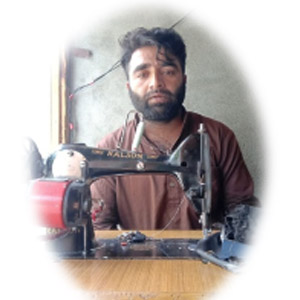
"I had resigned myself to a life of dependency, never imagining I could become self-sufficient. Everything changed with the intervention of the She Hope Society. Alongside my treatment, their doctors encouraged me to seek financial independence by explaining various government programs for the welfare of persons with disabilities (PwD). With the support of SHSFWE and the government, I was able to establish a tailoring shop, and I now earn a living with dignity. I owe my newfound independence and identity to HDC for their unwavering support and guidance. ."
Ashiq HussainMughal Beneficiary, Hope Centre at Kashmir

""I consider myself privileged to have the opportunity to work with the Hope Disability Centre and to be able to serve the disadvantaged sections of our society. Through my experiences, I was able to truly understand and appreciate the struggles faced by Persons with Disabilities, and the positive impact of intervention in their lives to provide a second chance at living a fully functional and independent life. The dedication and hard work of HDC's leaders and management in promoting the rehabilitation of Persons with Disabilities, especially in underserved rural areas, is truly admirable. Their commitment to going above and beyond, by pushing us to work overtime and ensuring that everyone has access to quality healthcare, is something I greatly respect."."
Riyaz AhmadCommunity Worker, Hope Disability Centre at Kashmir
"During my visit to the Hope Disability Centre, I had the privilege of meeting some of the beneficiaries personally. The satisfaction and joy they expressed about the services provided by the organization was truly heartwarming. I was impressed by the Centre's dedication towards giving new hope to people with disabilities. Not only do they tirelessly strive to integrate these individuals into mainstream society, but they also advocate for their rights with relevant stakeholders. This organization is making a significant impact on the lives of many individuals with disabilities, and it was an honour to witness their work in person.."
Farooq Khan For advisor to Lt, Governor Shri Manoj Sinha Ji at Kashmir
"Their commitment and dedication towards advocating for the rights and entitlements of persons with disabilities are truly impressive and inspiring. I was moved by their tireless efforts to push for accessibility in public places, offices, and schools. Their work on physical rehabilitation for persons with disabilities is awe-inspiring and has undoubtedly improved countless lives over the years. I wish the Centre all the best in their continued efforts to make our society more inclusive and accessible for all. ."
Baser KhanFormer, Divisional Commissioner Kashmir at Kashmir